Which model of calorimeter is the best?
In scenarios such as laboratory testing and energy analysis, calorimeters are key devices for accurately measuring the calorific value of substances, but many customers are often confused: Which model of calorimeter is the best? In fact, the answer needs to be combined with the use requirements and performance parameters. The following is a comprehensive judgment from the core dimension.
Clear usage scenarios are a prerequisite
The requirements for calorimeters vary widely in different scenarios: if it is a basic experiment in a university, focusing on ease of operation and cost control, an entry-level model can be preferred. This type of equipment functions focus on basic heat measurement and can meet the needs of regular teaching. If it is used in scientific research institutes or enterprises for quality inspection, complex samples need to be processed and high-precision data needs to be processed. It is necessary to choose a mid-to-high-end model, which has stronger anti-interference ability and can be adapted to multiple types of sample testing.
Core performance parameters are crucial
To determine the pros and cons of a calorimeter model, the core depends on three parameters: first, the measurement accuracy, the error of high-quality models is usually controlled within ± 0.1%, which can ensure the reliability of the data and avoid affecting the experimental conclusions due to insufficient accuracy; second, the testing efficiency, some high-end models can process multiple samples simultaneously in a single batch, which greatly improves the detection efficiency and is suitable for batch testing scenarios; third, stability, continuous operation for 24 hours can still maintain stable performance and avoid data deviation due to equipment fluctuations, which is particularly important for long-term continuous testing.
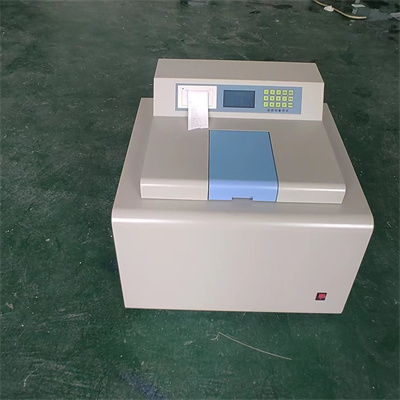
Comparison of mainstream brands and models
At present, the advantages of different brands in the market are different: the mid-to-high-end model of a domestic head brand is outstanding in cost performance, with core performance up to standard and fast after-sales response, suitable for users with limited budget but pursuing quality; the flagship model of an imported brand, with its state-of-the-art sensing technology, has significant advantages in ultra-high-precision detection scenarios, and is suitable for scientific research institutions with extreme requirements for data accuracy, but the cost is relatively high.
To sum up, there is no absolute "best model" for a calorimeter. Combine the use scenario to lock in the requirements, and then compare the core performance and brand advantages to choose the equipment that suits you. It is recommended to clarify your own testing needs before purchasing, and consult professional and technical personnel if necessary to avoid blindly following the trend.
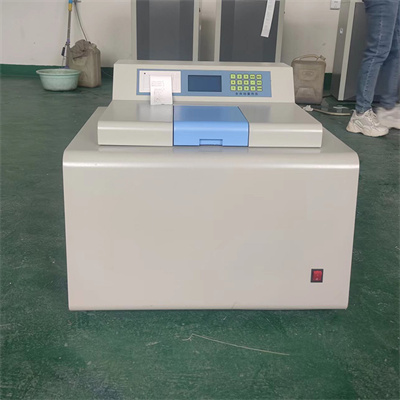 How to read calorimeter data
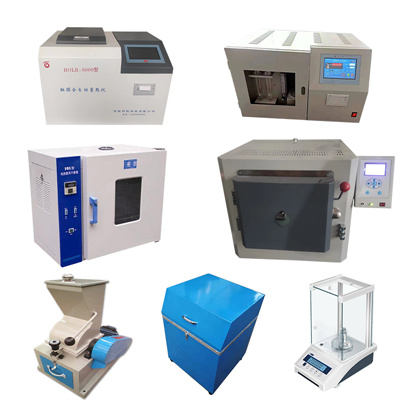 What is the design principle of a calorimeter?
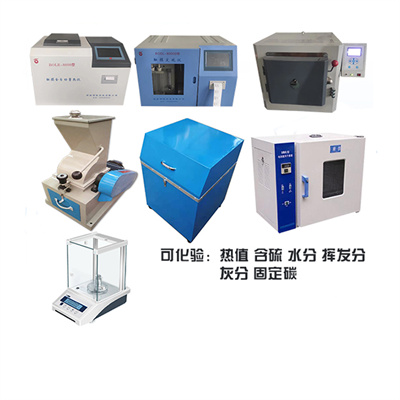 What is the harm of lack of water in the calorimeter?
 What is the input interface of the calorimeter?