How a calorimeter ignites a flame
The core principle of calorimeter flame ignition
The essence of the calorimeter to ignite the flame is to use the ignition device to make the ignition wire heat up under specific conditions, ignite the sample in the burning dish, and then produce the flame. The core of it is to precisely control the ignition energy and sample contact conditions to ensure that the ignition process is stable and efficient.
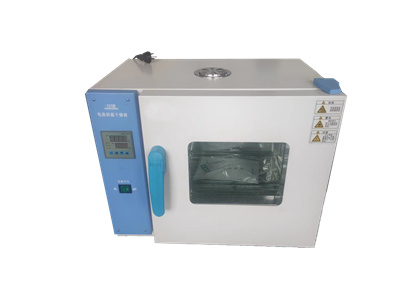
Preparations before ignition
Before igniting the flame, a series of basic preparations need to be completed. First, check the ignition device of the calorimeter to ensure that the ignition wire is firmly connected and not loose or broken; second, clean the combustion dish to remove residual combustion impurities to avoid affecting the ignition effect; finally, prepare the samples to be tested and spread them evenly in the combustion dish according to the specified amount to create good conditions for ignition.
Specific ignition operation steps
1. Sample loading and connection: Place the combustion dish with the sample safely in the ignition position of the calorimeter to ensure that the combustion dish is in good contact with the ignition wire. At the same time, check the ignition circuit to ensure that the circuit is unobstructed and provide stable current for ignition.
2. Parameter setting: According to the sample characteristics, set the appropriate ignition voltage and current parameters on the calorimeter operation panel. Different samples require different ignition energy, and reasonable setting of parameters is the key to successful ignition.
3. Start ignition: After confirming that the settings are correct, press the ignition button. At this time, the ignition wire will heat up rapidly. When the temperature reaches the ignition point of the sample, the sample is ignited, and the flame will be generated immediately. During the ignition process, it is necessary to closely observe the flame state. If the ignition fails, the operation should be stopped immediately, and the cause should be investigated and tried again.
Precautions after ignition
After the flame is ignited, continue to pay attention to the running state of the calorimeter to ensure that the flame burns stably and avoid the flame being extinguished due to external interference. After the experiment, turn off the ignition device in time, clean up the burning dish and surrounding residual substances, and prepare for the next use.
Mastering the correct method of igniting the flame of the calorimeter can not only ensure the smooth progress of the experiment, but also prolong the service life of the instrument. Follow the above steps to easily complete the flame ignition work of the calorimeter.
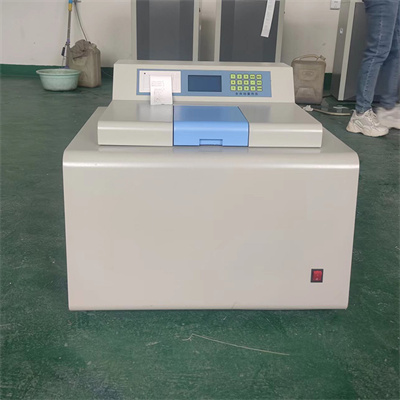 How to read calorimeter data
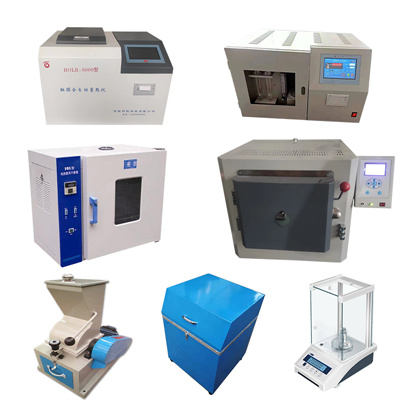 What is the design principle of a calorimeter?
 What is the harm of lack of water in the calorimeter?
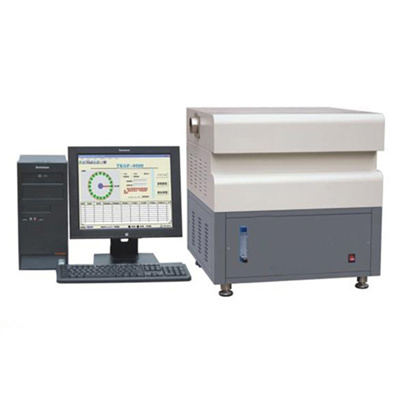 What is the input interface of the calorimeter?