What does the power plant calorimeter measure?
In the production and operation of a power plant, a power plant calorimeter is a key device for controlling fuel quality and ensuring efficient energy utilization. Its core function is to accurately measure the calorific value of the fuel, providing core data support for power plant energy accounting and combustion optimization.
Core measurement object: fuel calorific value
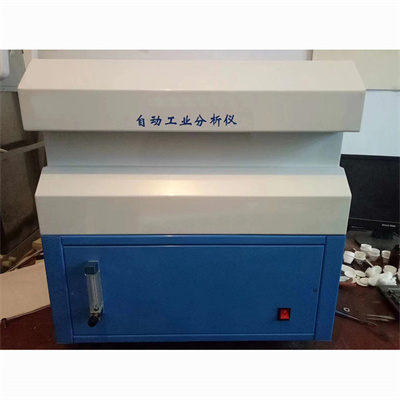
The core measurement indicator of a power plant calorimeter is the calorific value of the fuel, which is the heat released when the unit mass of fuel is completely burned. The calorific value of coal, fuel and other fuels commonly used in power plants directly determines the combustion efficiency and power generation cost. By accurately measuring the calorimeter's calorific value, the power plant can accurately calculate the fuel consumption and avoid problems such as insufficient combustion and wasted costs caused by fluctuations in fuel quality.
Measurement principles and key processes
The calorimeter uses the classic oxygen bomb calorimetry method, and the core process is clear and easy to understand: first put the quantitative fuel sample into the sealed oxygen bomb, fill it with enough oxygen and then ignite it, so that the sample can fully burn, and the released heat is absorbed by the water medium outside the oxygen bomb. Then, the water temperature change is captured by a high-precision temperature sensor, combined with the specific heat capacity of the water, the heat capacity of the instrument and other parameters, and the fuel calorific value is calculated by formula. The whole process is highly automated, and the data is accurate and reliable. The operator only needs to complete the sample preparation and instrument calibration according to the specifications.
The core value of power plant applications
1. Control the quality of fuel: through calorific value measurement, quickly identify the advantages and disadvantages of fuel, prevent inferior fuel from entering the plant, and ensure the stable combustion of the unit;
2. Optimize combustion control: adjust combustion parameters based on calorific value data to improve fuel utilization and reduce energy consumption and pollutant emissions.
3. Accurate cost accounting: Calorific value is the core basis for fuel settlement, and the accurate measurement of calorimeters helps power plants achieve fine cost management.
Key operating considerations
When using a calorimeter, it is necessary to strictly control the sample representativeness to ensure that the sample is uniform and meets the weighing standards; regularly calibrate the instrument to ensure the stable performance of components such as temperature sensors and oxygen bomb sealing; at the same time, standardize the operation process to avoid environmental temperature fluctuations from interfering with the measurement results, ensuring that each measurement data is accurate and effective.
Mastering the measurement core of a power plant calorimeter can not only ensure the scientificity of power plant energy management, but also lay a solid foundation for the safe and efficient operation of the unit. It is an indispensable and important skill in power plant testing and energy management.
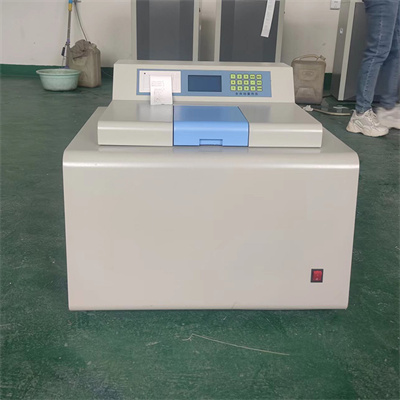 How to read calorimeter data
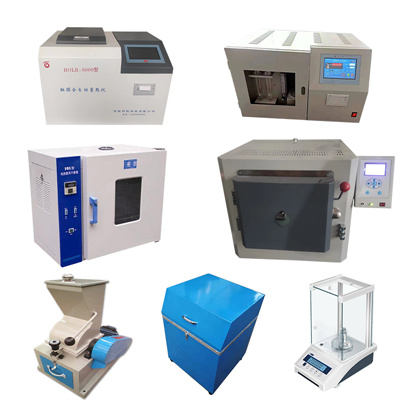 What is the design principle of a calorimeter?
 What is the harm of lack of water in the calorimeter?
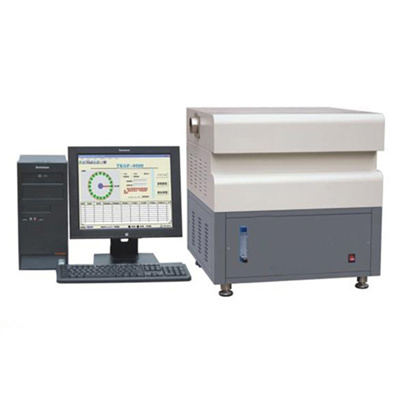 What is the input interface of the calorimeter?