What components are included in the calorimeter?
As a key instrument for accurately measuring the change of heat of matter, calorimeters play an important role in many fields such as energy, chemical industry, and scientific research. To deeply understand its working principle and ensure measurement accuracy, it is essential to have a clear understanding of the components of the calorimeter. Below, we will disassemble the core components of the calorimeter in detail.
Measurement systems: the heart of heat capture
The measuring system is the core of the calorimeter and directly determines the accuracy of the measurement. It is mainly composed of a calorimeter bomb and a temperature sensor. The calorimeter bomb is made of high-strength, corrosion-resistant alloy material, which can withstand high-pressure environments and ensure that the heat of the sample does not leak out during the complete combustion process. The temperature sensor has extremely high sensitivity, which can accurately capture the temperature changes in the calorimeter in real time, converting the heat signal into an electrical signal, providing the basis for subsequent data processing.
Control system: the guarantee of precise regulation
The control system is like the "brain" of the calorimeter, responsible for precise regulation of the entire measurement process. It includes a temperature control module and an ignition control module. The temperature control module can stably maintain the internal ambient temperature of the calorimeter according to the preset program to avoid external temperature interference with the measurement results. The ignition control module precisely controls the ignition timing and energy to ensure that the sample can burn fully and stably to ensure the reliability of the measurement data.
Data processing systems: the key to output results
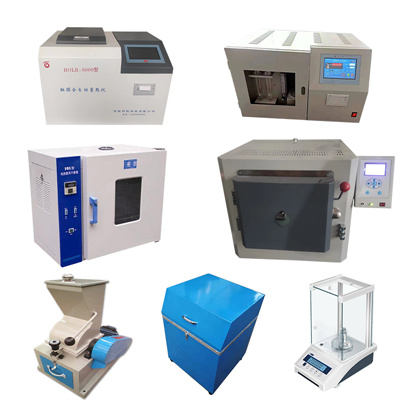
The data processing system undertakes the heavy task of analyzing and calculating the collected temperature data. It consists of a data collection device and analysis software. The data collection device quickly and accurately collects the signals from the temperature sensor and transmits them to the analysis software. The analysis software uses professional algorithms to calculate the key data such as the calorific value of the sample according to the temperature change curve, and presents it in intuitive chart and numerical form, which is convenient for users to view and record.
Auxiliary system: support for stable operation
The auxiliary system provides strong support for the stable operation of the calorimeter. The stirring device can ensure the uniform distribution of temperature in the calorimeter, making the measurement results more representative. The oxygenation device provides sufficient oxygen for the sample combustion to ensure the full progress of the combustion reaction. In addition, there is a shell protection system to provide protection for the internal components, reduce the interference of external factors on the instrument, and prolong the service life of the instrument.
Understanding the components of a calorimeter can help operators better grasp the performance of the instrument and standardize the operation process, thus ensuring the accuracy of measurement results and providing a solid guarantee for heat measurement in various industries.
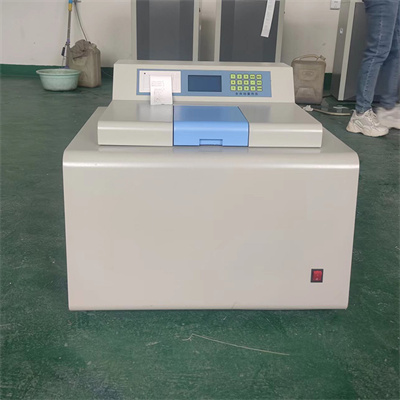 How to read calorimeter data
What is the design principle of a calorimeter?
How to read calorimeter data
What is the design principle of a calorimeter?
 What is the harm of lack of water in the calorimeter?
 What is the input interface of the calorimeter?