How to maintain the calorimeter
Daily cleaning to ensure the cleanliness of the instrument
After the calorimeter is used, it is necessary to clean the residual sample and dust in time. Wipe the shell of the instrument with a soft and clean damp cloth to avoid moisture from penetrating into the internal circuit; for the sample pool, use a special cleaning tool to gently clean it to prevent scratches and ensure that no residual impurities affect the next measurement.
Periodic calibration to ensure accurate measurement
Calibration is the key to maintaining the accuracy of the calorimeter. In strict accordance with the requirements of the instrument manual, regular calibration is carried out with standard materials. If the measurement data is found to be deviated, it should be stopped immediately and a professional should be contacted for calibration and debugging to avoid affecting the experimental results due to inaccurate data.
Standardized storage to avoid environmental damage
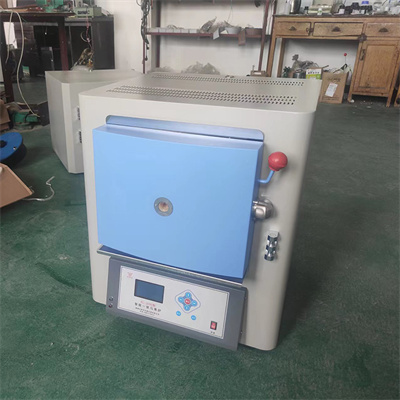
When storing the calorimeter, choose a dry, ventilated, non-corrosive gas environment, away from strong magnetic fields and vibration sources. When the instrument is not in use, put on a dust cover to prevent dust accumulation; if it is not used for a long time, it is necessary to run it regularly to keep the performance of the electronic components inside the instrument stable.
Key components maintenance to extend service life
Key components such as sensors and heating elements of the calorimeter need to be paid attention to. Regularly check whether the sensor connection is stable, whether the heating element shows signs of aging or damage, and replace it in time if any problems are found. At the same time, avoid overloading the instrument for a long time and reduce component loss.
Standardized operation to reduce man-made wear and tear
Operators need to undergo professional training and use the instrument strictly according to the operation process. Avoid frequent switching of the instrument to prevent current shock damage to the circuit; when measuring, ensure that the sample volume meets the instrument range, avoid overload operation, reduce instrument loss from the source, and ensure its stable operation.
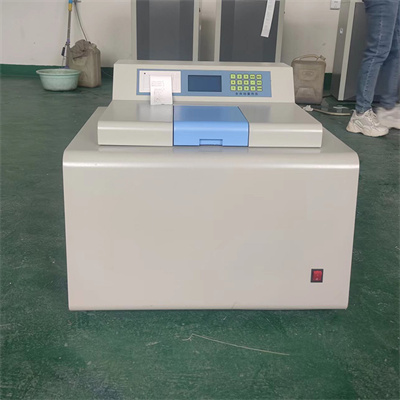 How to read calorimeter data
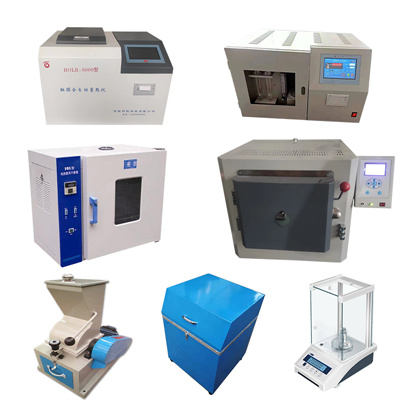 What is the design principle of a calorimeter?
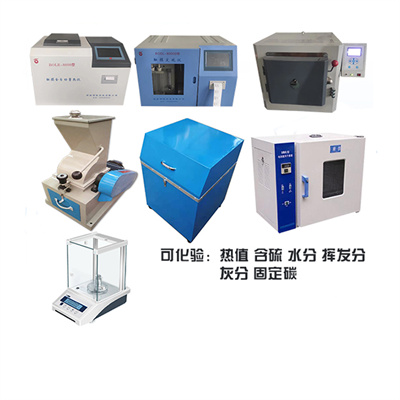 What is the harm of lack of water in the calorimeter?
 What is the input interface of the calorimeter?