The reason for the low heat of the calorimeter
In the heat detection work, the calorimeter is the core equipment, but many users often encounter the low heat of the calorimeter, which not only affects the accuracy of the detection results, but also may delay the work progress. Below, we will analyze the common reasons for the low heat of the calorimeter in detail to help solve the problem quickly.
Instrument calibration is not in place
The calibration of the calorimeter plays a decisive role in the test results. If the standard material used for calibration fails, the calibration process is not standardized, or the calibration period is too long, the measurement reference of the instrument will be deviated, and the detected heat value will be lower than the actual value. Therefore, it is necessary to strictly follow the instrument manual, select qualified standard materials, and carry out regular calibration work to ensure that the instrument is in an accurate state.
Bad sample preparation
The quality, uniformity, dryness and other factors of the sample will affect the heat detection results. For example, if the weight deviation of the sample is too large when weighing, the sample is not fully dried and contains moisture, or the sample is not mixed evenly, the calorimeter will not be able to accurately reflect the true heat of the sample during testing, and then the heat will be low. When preparing the sample, it is necessary to precisely control the weighing accuracy and do a good job of drying to ensure the uniformity of the sample.
Omissions in the operation process
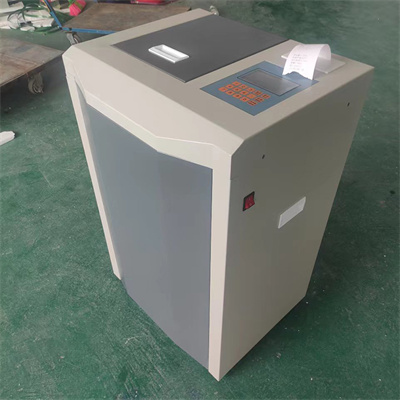
Operators' operating habits and process specifications can also affect the test results of the calorimeter. For example, improper operation of the sample into the calorimeter leads to heat loss; parameters are not set according to the process during the detection process, such as temperature, time and other parameters are set incorrectly, which will cause the detected heat value to be low. Operators need to strictly follow the operating specifications and go through professional training before going to work to avoid problems caused by operation errors.
Instrument parts are worn
After the calorimeter is used for a long time, some core components will be worn out or aged, such as the decrease in the sealing of the oxygen bomb, the abnormal operation of the agitator, and the decrease in the sensitivity of the temperature sensor. The performance of these components will directly affect the heat transfer and detection, resulting in low heat detection results. Daily maintenance of the instrument should be done well, and aging and damaged parts should be replaced in time to ensure the stable operation of the instrument.
Environmental conditions are not up to standard
The calorimeter has clear requirements for the temperature, humidity, air pressure and other conditions of the working environment. If the ambient temperature fluctuates too much, the humidity exceeds the standard, or the air pressure is unstable, it will interfere with the normal operation of the instrument, affect the accuracy of heat detection, and cause the heat value to be low. When using the calorimeter, ensure that the working environment meets the requirements of the instrument, and equip constant temperature and humidity equipment when necessary to create a stable operating environment for the instrument.
When encountering a situation where the calorimeter is low in heat, it can be investigated one by one from the above aspects to accurately locate and solve the problem, thus ensuring the efficient and accurate development of heat detection.
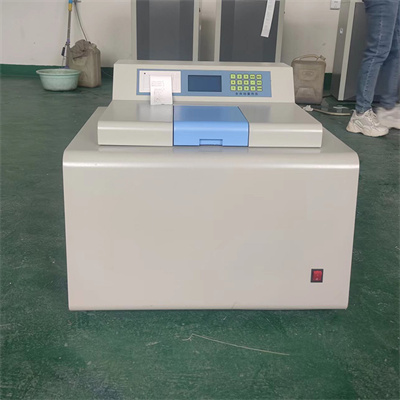 How to read calorimeter data
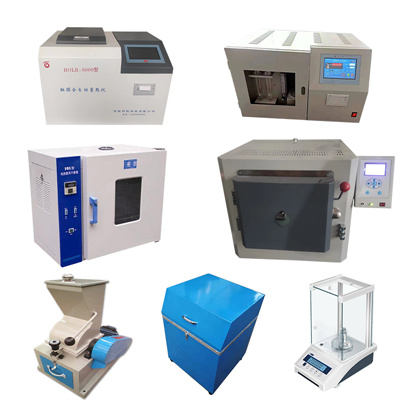 What is the design principle of a calorimeter?
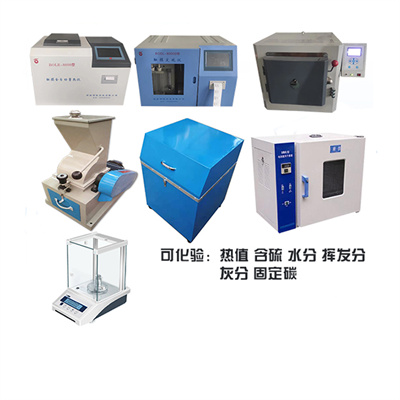 What is the harm of lack of water in the calorimeter?
 What is the input interface of the calorimeter?