How to see if a calorimeter is good or bad
First, look at the core accuracy indicators
Accuracy is the key to measuring the quality of a calorimeter. The measurement error of a high-quality calorimeter needs to be controlled within the industry standard range. Generally speaking, the repeatability deviation of a conventional calorimeter should be less than or equal to 0.2%, and the measurement error of a single calorific value should not exceed 0.5%. When purchasing, the manufacturer can be required to provide a calibration certificate, and the standard material (such as benzoic acid) is used for actual measurement on site. If the multiple measurement results fluctuate little and the deviation from the standard value is within the allowable range, it means that the accuracy is up to standard.
Second, check stability and repeatability
Stable performance guarantees reliable long-term detection. High-quality equipment runs continuously for more than 8 hours, the heat capacity value does not drift significantly, and the same sample is repeatedly tested, and the result deviation is stable in the qualified range. If the temperature fluctuates greatly during the operation of the equipment, and the detection data varies from high to low, it indicates that the performance of core components (such as thermostatic systems and sensors) is insufficient, and this type of calorimeter cannot meet the long-term detection needs.
III. Verify the configuration of core components
The core components directly determine the lifespan and performance of the equipment. First, look at the thermostatic system. High-quality calorimeters mostly use high-precision thermostatic tanks, with a temperature control accuracy of ± 0.001 ° C, which can ensure a stable detection environment. Second, look at the sensor. The high-precision temperature sensor has fast response speed and high sensitivity, which can accurately capture small temperature changes. Third, look at the structural design. A well-sealed oxygen bomb and a durable stirring device can avoid heat loss and improve detection accuracy.
IV. Look at the ease of operation and maintenance
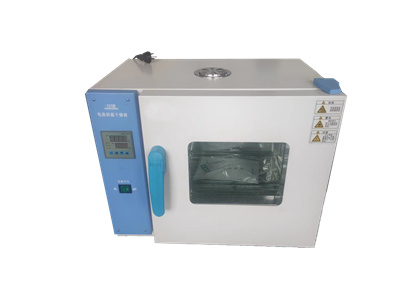
A good calorimeter not only has excellent performance, but also more worry-free operation and maintenance. In operation, the interface needs to be simple and intuitive, with automatic calibration and data automatic recording functions to reduce manual operation errors; in maintenance, the equipment should be easy to disassemble and clean, key components are easy to replace, and the manufacturer can provide timely technical support and accessories supply to reduce later use costs.
Check compliance and certification qualifications
Compliance is the basic guarantee of equipment quality. High-quality calorimeters need to pass relevant national measurement certifications, have authoritative qualifications such as CMA and CNAS, and meet industry testing standards. Be sure to check the qualification documents of the equipment when purchasing, avoid choosing inferior products without certification, and ensure that the test results are authoritative and credible.
By mastering the above five dimensions, you can quickly and accurately judge the quality of the calorimeter. Whether it is laboratory procurement or daily testing, you can easily select high-quality equipment that meets your needs to ensure the efficiency and accuracy of the testing work.
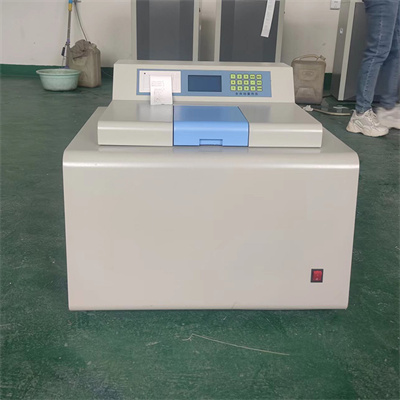 How to read calorimeter data
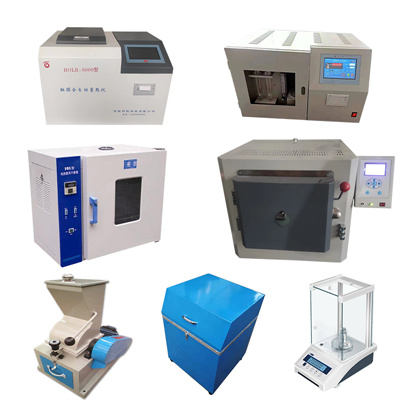 What is the design principle of a calorimeter?
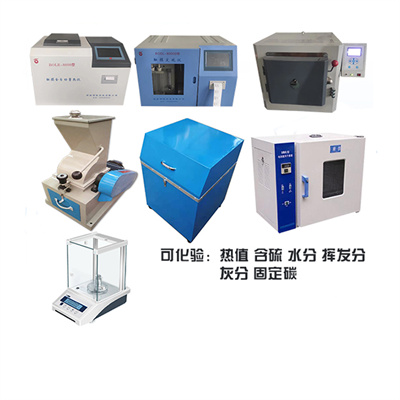 What is the harm of lack of water in the calorimeter?
 What is the input interface of the calorimeter?