How to Calculate the Calorimeter Constant
The Core Principle of calorimeter Constant Calculation
The calorimeter constant is a key parameter of the instrument, which directly determines the accuracy of heat detection. It reflects the heat capacity of the instrument, that is, the amount of heat absorbed or released corresponding to the unit temperature change. The core logic of calculating the constant is to completely burn and release heat in the calorimeter through the standard material (such as benzoic acid) with known calorific value, and then invert the instrument constant in combination with the temperature change.
Required materials and equipment preparation
Before calculation, you need to prepare all the tools: the host of the calorimeter with standard accuracy, the standard benzoic acid (stable calorific value) certified by measurement, the ignition wire (uniform resistance), the oxygen cylinder (purity ≥ 99.5%), and the electronic balance (accuracy 0.1mg). At the same time, ensure that the instrument is in normal condition, the oxygen bomb is well sealed and there is no leakage, and the temperature sensor is sensitive and free of deviation.
Detailed operation steps
Standard sample weighing: use electronic balance to accurately weigh 0.8-1 g of standard benzoic acid, the error is controlled within ± 0.1mg, and record the exact mass m (unit: g).
2. Sample assembly: Press the benzoic acid into shape, connect the ignition wire, and put it into the oxygen bomb crucible to ensure that the ignition wire is in good contact with the sample. Inject 10-15mL of distilled water into the oxygen bomb, and tighten the seal.
3. Instrument settings: Add enough distilled water to the inner cylinder of the calorimeter to completely immerse the oxygen bomb, fill the outer cylinder with constant temperature water, set the instrument parameters, and connect the temperature sensor.
4. Ignition measurement: Turn on the instrument to ignite, wait for the benzoic acid to burn completely, record the temperature change before and after combustion, and stop recording after ensuring that the combustion is sufficient and the temperature is stable.
Constant formula and data processing
The formula for calculating the constant C of a calorimeter is: C = (Q × m)/delta T, where Q is the standard calorific value of benzoic acid (usually 26460J/g), m is the mass of benzoic acid, and delta T is the temperature change.
After the calculation, multiple parallel experiments (at least 3 times) should be carried out, and the average value of the results should be taken as the final constant. If the deviation between the single result and the average value exceeds 0.5%, it is necessary to check the operation problem and re-experiment to ensure the reliability of the data.
Key considerations
It is necessary to keep the ambient temperature stable throughout the experiment to avoid strong airflow and heat source interference; clean the oxygen bomb and inner cylinder after each experiment to prevent residual substances from affecting the subsequent measurement; regularly calibrate the electronic balance and temperature sensor to ensure the accuracy of the instrument. Master the standardized calculation method to ensure the accuracy of the calorimeter detection data and meet various heat detection needs.
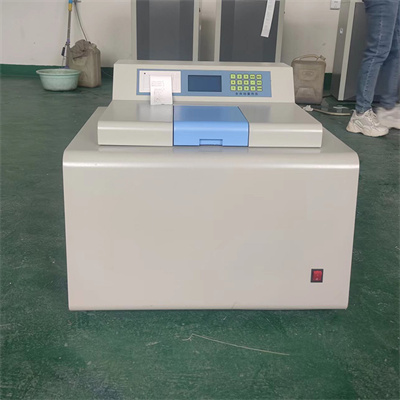 How to read calorimeter data
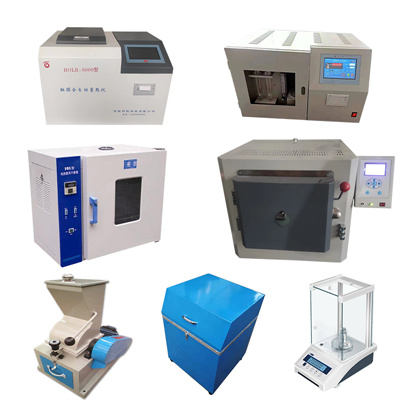 What is the design principle of a calorimeter?
 What is the harm of lack of water in the calorimeter?
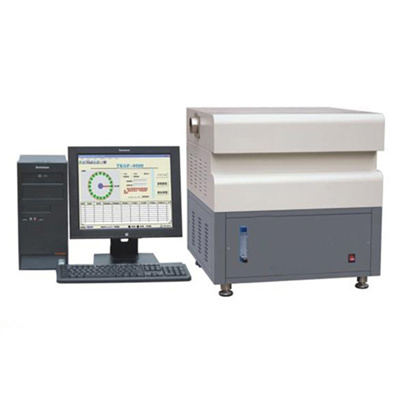 What is the input interface of the calorimeter?