Does a calorimeter conduct electricity?
Basic Structure and Conductive Foundation of calorimeter
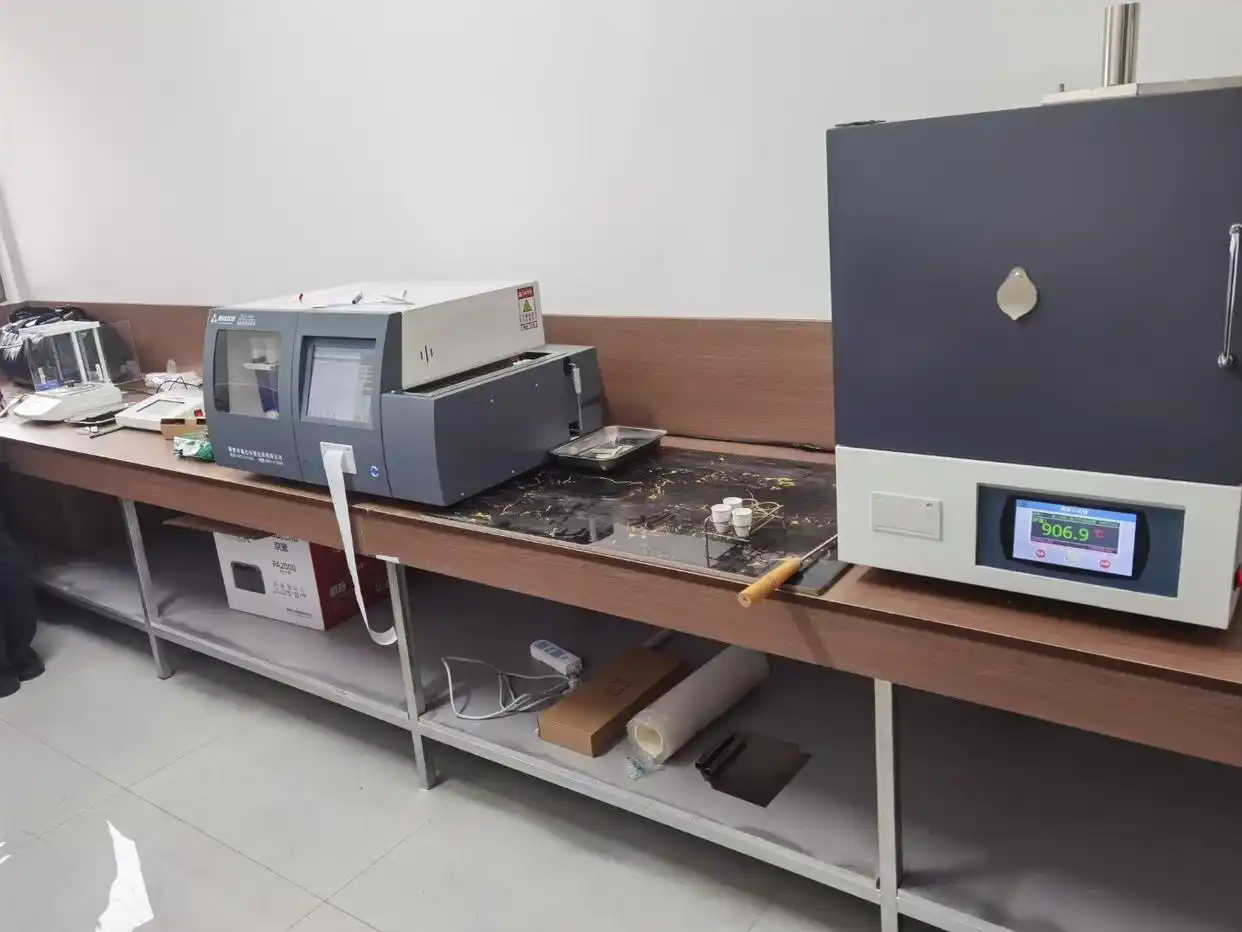
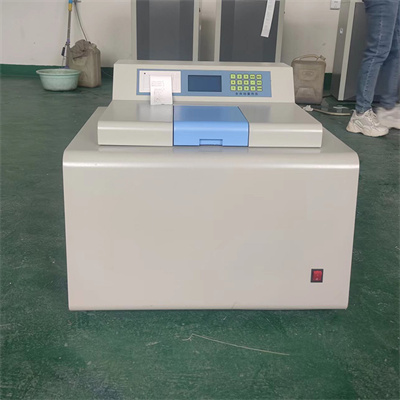
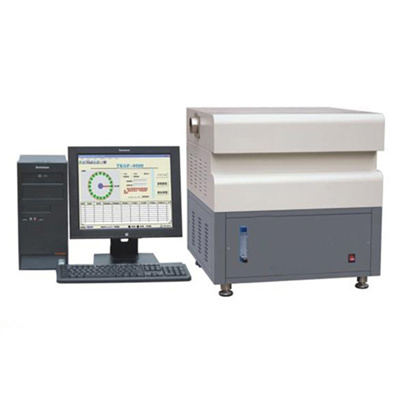
The calorimeter is the core instrument for accurately measuring heat in the laboratory. It is mainly composed of a heating system, a temperature sensor, a stirring device, and a control circuit. From a structural point of view, it contains a large number of electronic components and metal parts, which determines that it has the basic conditions for conducting electricity. The metal shell, internal wires, circuit boards, etc., when powered on, the current will transfer energy and signal through these components, so the calorimeter is essentially conductive.
The core principle of calorimeter conduction
The electrical conduction of the calorimeter does not happen randomly, but is based on its working principle and circuit design. It heats the sample through current, and uses a temperature sensor to convert the temperature change into an electrical signal, which is then processed by the control system. During this process, the current flows orderly in the circuit inside the instrument to form a complete conductive circuit. It should be noted that the electrical conduction of the calorimeter is controlled, and its circuit design includes safety mechanisms such as insulation protection and overcurrent protection to prevent dangerous situations such as leakage.
Safe Use of Calorimeter and Conductive Risk Avoidance
Although the calorimeter has electrical conductivity characteristics, as long as it is operated in a standardized manner, risks can be effectively avoided. When using, it is necessary to ensure that the instrument is well grounded to avoid electric shock due to leakage; at the same time, it is strictly forbidden to operate in a humid environment to prevent moisture from invading the circuit and causing a short circuit. In addition, it is necessary to check whether the circuit of the instrument is damaged before operation. Once problems such as aging of the circuit or falling off of the insulating layer are found, it should be stopped immediately and repaired by a professional. Only by doing these safety measures can we ensure the safety of personnel and equipment while using the calorimeter to carry out experiments.
Summary: Correctly understand the conductivity of a calorimeter
The calorimeter does have electrical conductivity, which is the basis for its thermal measurement function. However, through reasonable circuit design and standardized operation procedures, the risks caused by electrical conductivity can be controlled within a safe range. Understanding the electrical conductivity principle and safety points of the calorimeter can not only help the experimenter operate the instrument better, but also ensure the smooth progress of the experimental process and avoid safety accidents.
 How to read calorimeter data
 What is the design principle of a calorimeter?
 What is the harm of lack of water in the calorimeter?
 What is the input interface of the calorimeter?