Where does the calorimeter add water?
When using a calorimeter to carry out experiments, adding water correctly is a key step to ensure the accuracy of the experiment. Many operators have questions about where the calorimeter adds water, so let's sort it out in detail.
Clear the core position of adding water
The water addition position of the calorimeter is mainly concentrated in the outer cylinder and the inner cylinder. The water addition to the outer cylinder is to maintain the stability of the overall thermal environment of the instrument, while the water addition to the inner cylinder directly participates in the experimental reaction, and the water volume needs to be precisely controlled.
Operation points of adding water to the outer cylinder
The outer cylinder water filling port is usually located at a specific interface on the side or bottom of the instrument. Before adding water, turn off the power of the instrument to avoid the risk of electric shock. Using the matching funnel, slowly inject distilled water into the outer cylinder, and the water level should reach the scale line marked on the outer cylinder. If the water level is too low, it will affect the thermal insulation effect of the instrument and lead to deviation of experimental data; if the water level is too high, it may overflow and damage the instrument parts.
Key details of adding water to the inner cylinder
It is more critical to add water to the inner cylinder, which directly affects the accuracy of the experimental results. The water inlet of the inner cylinder is generally located at the top, and some models are equipped with a special water injection device. When adding water, you need to use a precise measuring tool, such as a measuring cylinder, to measure an appropriate amount of distilled water according to the experimental requirements. Too much or too little water will change the heat capacity of the reaction system and affect the heat measurement accuracy. After adding water, make sure that the inner cylinder is well sealed to prevent heat loss.
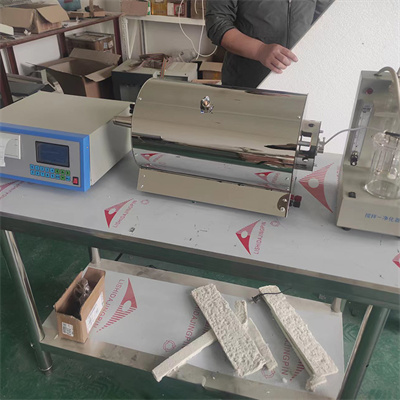
Inspection and confirmation after adding water
After adding water, carefully check whether the joints are leaking to confirm that the water level meets the standard. Then, turn on the instrument for preheating and calibration to observe whether the instrument is operating normally. If there is an abnormal water level or water leakage, stop using it immediately, check the problem and add water again.
Mastering the correct method of adding water to the calorimeter can not only prolong the service life of the instrument, but also ensure the reliability of the experimental data. Strictly follow the above steps to make every experiment accurate.
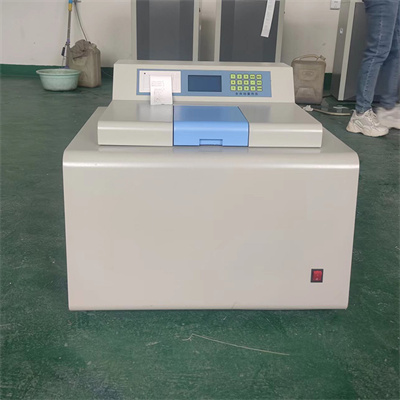 How to read calorimeter data
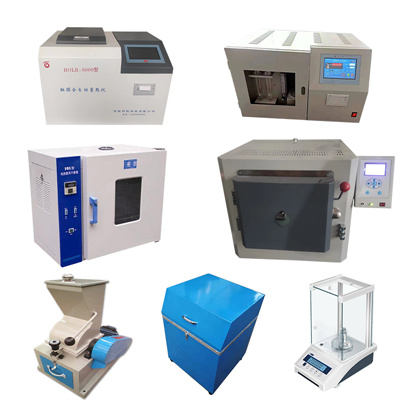 What is the design principle of a calorimeter?
 What is the harm of lack of water in the calorimeter?
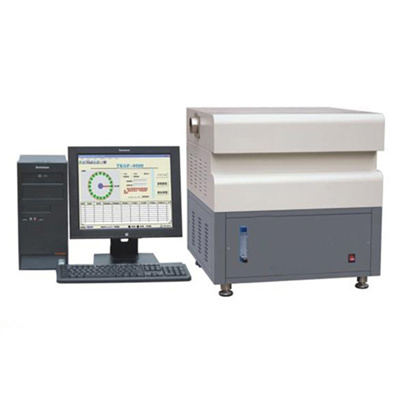 What is the input interface of the calorimeter?