What models of calorimeters are available?
The calorimeter is a key instrument for measuring the calorific value of the combustion of substances. It is widely used in coal, electric power, chemical and other industries. Different scenarios have different requirements for calorimeters, and its models are also rich and diverse. Here is a detailed introduction to the common calorimeter models.
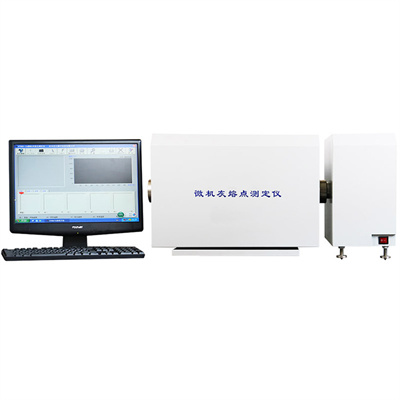
Automatic calorimeter: This model realizes the automation of the test process, from ignition, temperature measurement to calculation results, without excessive manual intervention throughout the process. It is equipped with an intelligent control system, which can accurately control the experimental process and greatly reduce human error. It is suitable for enterprises that test large quantities of samples, such as large coal testing centers, which can efficiently complete a large number of daily coal calorific value detection tasks.
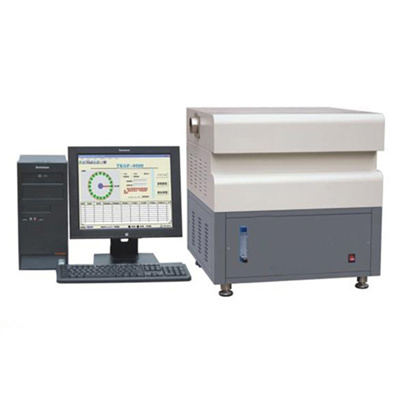
Microcomputer calorimeter: with a computer as the core, with the help of professional software for data processing and instrument control. The operation interface is intuitive, data storage and query are convenient, and standardized test reports can also be generated. In the laboratory of scientific research institutions, researchers can accurately obtain experimental data through it, and use the software function to analyze the data in depth, providing strong support for research.
Constant temperature calorimeter: It adopts a constant temperature environment design to maintain the stability of the water temperature in the inner cylinder and reduce the interference of the ambient temperature on the experiment. The test results are stable and suitable for scenarios with high accuracy requirements, such as small chemical enterprises. When detecting the calorific value of chemical raw materials, the constant temperature calorimeter can ensure reliable data and help production control the quality of raw materials.
Adiabatic calorimeter: Through a special structural design, the external heat exchange is isolated to the greatest extent, ensuring that the experiment is carried out in a nearly adiabatic environment. This design allows for extremely high test accuracy and is often used in fields that require strict calorific value measurement accuracy, such as the development of high-end energy materials, to provide accurate calorific value data for the performance evaluation of new materials.
Different types of calorimeters have their own advantages. When selecting, enterprises and scientific research institutions need to consider their own testing requirements, sample characteristics, and budget to choose the most suitable calorimeter model to ensure efficient and accurate testing.
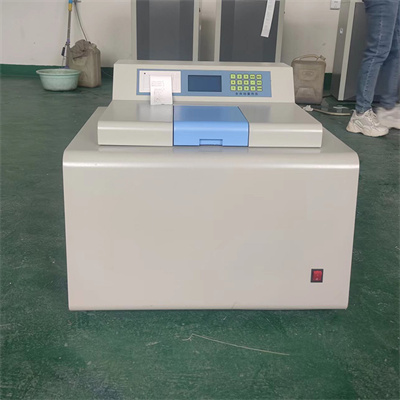 How to read calorimeter data
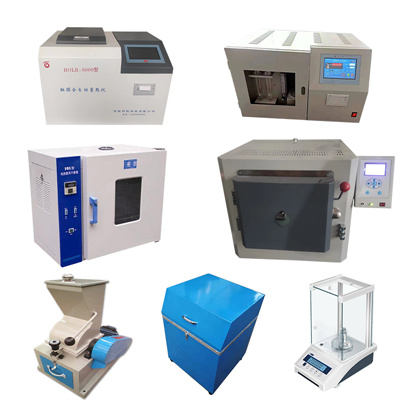 What is the design principle of a calorimeter?
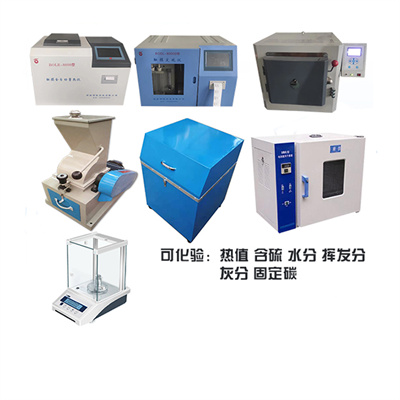 What is the harm of lack of water in the calorimeter?
 What is the input interface of the calorimeter?