Why do calorimeters smell bad?
In laboratory operations, many users will find that calorimeters often emit an uncomfortable odor, which is hidden behind multiple professional reasons. Understanding these reasons can help to accurately detect and solve odor problems.
Reagent volatilization is the core trigger
The operation of the calorimeter often relies on specific reagents, and some of the reagents themselves are volatile. For example, when measuring the calorific value of coal, standard substances such as benzoic acid need to be used. If the purity of the reagents is insufficient or improperly stored, the volatile components will escape with the operation of the instrument. At the same time, the combustion wires and ignition materials supporting the instrument will also release gases with irritating odors during high temperature combustion. After these gases are mixed, an unpleasant odor is formed.
Sample characteristics exacerbate the odor problem
The properties of the sample itself directly affect the odor of the calorimeter. Taking coal detection as an example, if the sulfur content of coal is high, gases such as sulfur dioxide will be generated during combustion, which are not only pungent but also corrosive. In addition, if the sample is damp, deteriorated, or contains volatile organic compounds, when decomposed at high temperature, complex odors will be released and diffused through the exhaust system of the calorimeter, resulting in an unpleasant overall odor.
Aging or contamination of instrument components
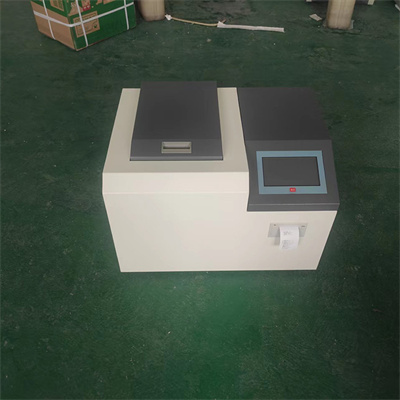
After long-term use of the calorimeter, the internal components are prone to aging or pollution. As the core component of the oxygen bomb, if the sealing apron is aging and the internal wall remains burning impurities, the residual substances will slowly release the odor after each test. At the same time, if the exhaust pipe and filter device of the instrument are not cleaned in time, dust, oil and combustion residues will accumulate. These substances evaporate during the operation of the instrument, further aggravating the odor and affecting the laboratory environment.
Key ideas for solving odors
To improve the odor problem of the calorimeter, it is necessary to control it from the source. High-purity reagents are preferred to standardize the sample storage and pretreatment process; regular comprehensive cleaning of the instrument, focusing on cleaning key parts such as oxygen bombs and exhaust pipes; at the same time, strengthen laboratory ventilation, install odor purification devices, reduce odor generation from multiple dimensions, and ensure the comfort of the operating environment and the accuracy of detection.
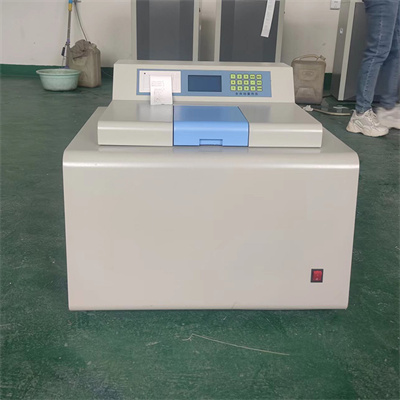 How to read calorimeter data
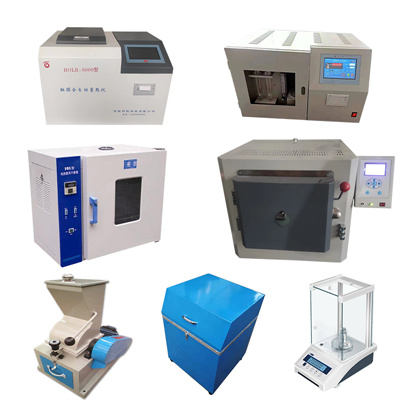 What is the design principle of a calorimeter?
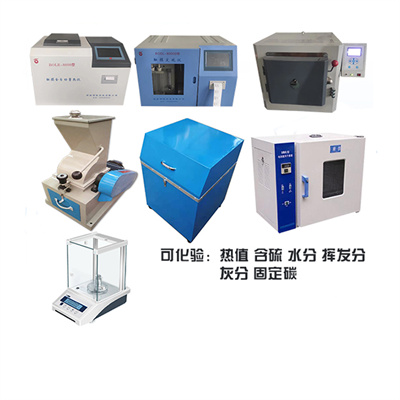 What is the harm of lack of water in the calorimeter?
 What is the input interface of the calorimeter?