What is the main test of the calorimeter?
The calorimeter is a core testing equipment in the fields of energy, chemical industry, etc. It is mainly used to accurately determine the calorific value and related thermodynamic parameters of various substances, providing key data support for production control and quality control. Its core assay items focus on the following categories:
1. Fuel calorific value detection
This is the most routine test item of the calorimeter, covering various fuels such as coal, oil, natural gas, and biomass fuels. By simulating the complete combustion process of the fuel, the heat released by the complete combustion of the unit mass fuel is accurately determined, that is, the heat value. Coal calorific value is the core basis for power plants to calculate power generation costs and optimize combustion ratios; petroleum calorific value is directly related to refining process efficiency and product quality, and is a key indicator of energy trading.
2. Determination of heat of combustion of substances
In addition to fuel, calorimeters can accurately measure the combustion heat of chemical raw materials, explosives, food and other substances. In chemical production, by measuring the combustion heat of raw materials, reaction heat management programs can be scientifically planned to avoid safety hazards; in the field of food testing, combustion heat data can assist in evaluating food energy content and provide scientific support for nutrition labeling.
3. Determination of chemical reaction heat
In the field of scientific research and fine chemical industry, calorimeters can accurately capture the heat changes during chemical reactions, including the specific values and changes of reaction endothermic and exothermic. This data is crucial for optimizing chemical reaction conditions, improving reaction conversion rate, and controlling reaction stability. It is the core detection method for developing new processes and new materials.
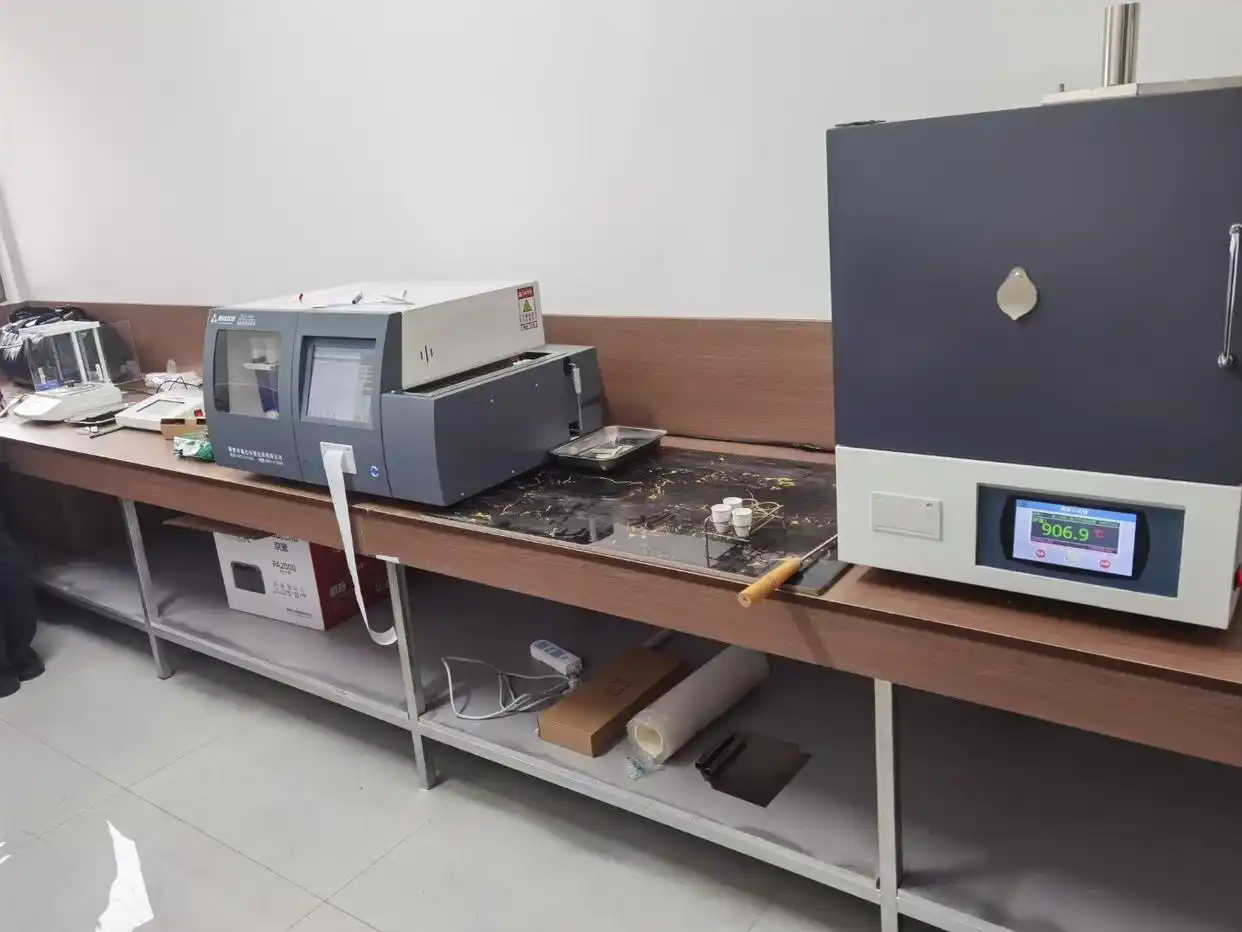
4. Material thermal stability testing
Some calorimeters have the function of detecting the thermal stability of materials. By monitoring the heat change of materials at different temperatures, the thermal decomposition temperature and thermal stability grade of materials are judged. In the research and development of new materials, thermal stability data is the key basis for screening qualified materials and ensuring the safety of products. It is widely used in plastics, rubber, composites and other industries.
With its accurate heat measurement capabilities, calorimeters provide reliable data protection for energy utilization, chemical production, and scientific research and innovation. By mastering their core assay items, they can more efficiently realize the value of equipment and help the industry develop efficiently and safely.
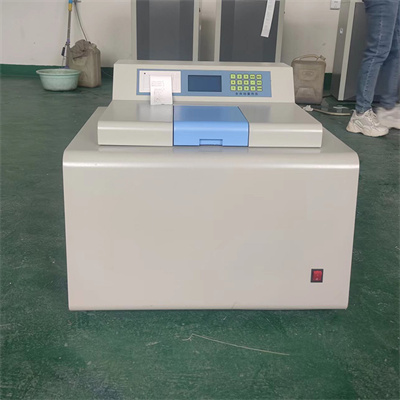 How to read calorimeter data
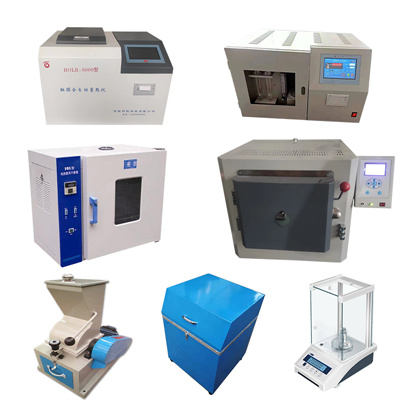 What is the design principle of a calorimeter?
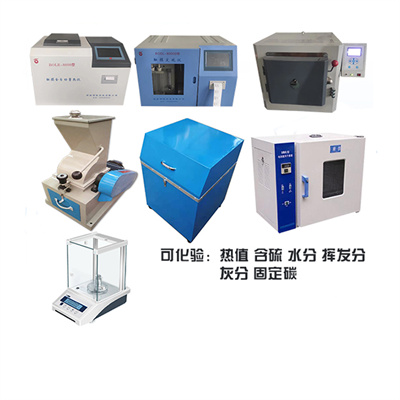 What is the harm of lack of water in the calorimeter?
 What is the input interface of the calorimeter?