Calorimeter failure and causes
In laboratories and industrial production, calorimeters are key devices for accurately measuring heat, but failures are inevitable during use. Understanding common faults and their causes can quickly solve problems and ensure the smooth progress of experiments and production.
Abnormal temperature measurement
Inaccurate temperature measurement is one of the common faults of calorimeters. The reason may be that the temperature sensor is aging, the sensitivity decreases after long-term use, and the temperature change cannot be accurately fed back; it may also be that the sensor connection line is loose and the contact is poor, resulting in blocked signal transmission. In addition, excessive ambient temperature fluctuations can also interfere with the precise control of the temperature by the calorimeter.
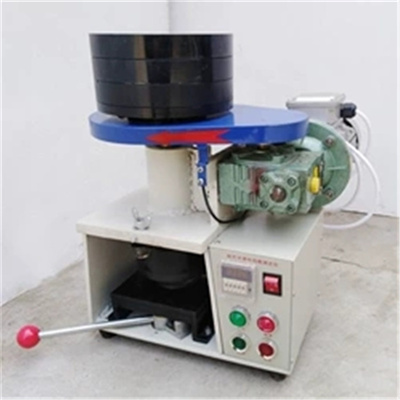
Ignition failed
Ignition failure will affect the experimental process. This is usually due to the improper distance between the ignition electrodes, which is too far away to produce effective sparks. If the distance is too close, it is easy to cause short circuits. Carbon deposition or pollution of the ignition electrodes will also hinder the generation of sparks. In addition, the failure of the ignition circuit, such as the line disconnection or short circuit, will also lead to the failure of the ignition function.
Data fluctuates widely
The data of the calorimeter is unstable and fluctuates widely, which may be a failure of the mixing system. Uneven rotation of the stirring paddle or stop rotation will cause uneven heating of the sample and affect heat transfer; failure of the stirring motor and wear of the transmission parts will lead to abnormal stirring. At the same time, there is air leakage inside the calorimeter, heat loss, and data fluctuations will also be caused.
Poor heat dissipation
Poor heat dissipation will make the temperature of the calorimeter too high, affecting the measurement accuracy. The cooling fan accumulates too much dust, the ventilation is not smooth, and the heat dissipation efficiency is reduced; the heat dissipation channel is blocked and the heat cannot be discharged in time, which will cause the temperature of the instrument to rise. In addition, the aging and damage of the heat dissipation components will also make the heat dissipation function ineffective.
Mastering the common failures and causes of calorimeters, and maintaining and inspecting them during daily use can reduce the occurrence of failures, ensure the stable and accurate operation of the calorimeter, and provide reliable data support for experiments and production.
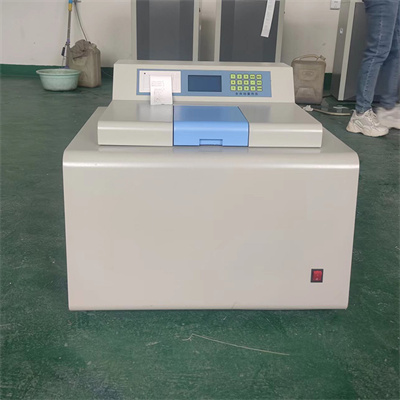 How to read calorimeter data
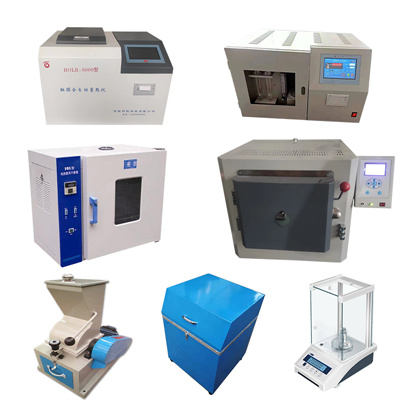 What is the design principle of a calorimeter?
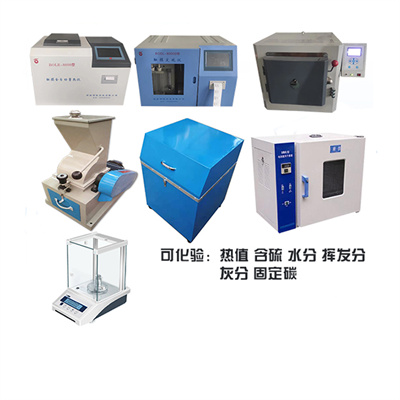 What is the harm of lack of water in the calorimeter?
 What is the input interface of the calorimeter?