How to Determine if a Calorimeter is Lack of Water
When using a calorimeter in a laboratory, it is crucial to accurately determine whether the calorimeter is short of water, which is directly related to the accuracy of the experimental data and the normal operation of the instrument. Here are several practical judgment methods to help you quickly identify the water shortage of the calorimeter.
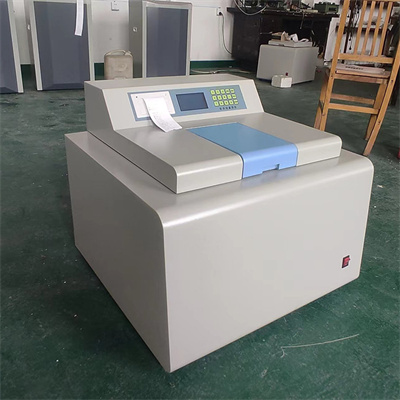
Observe the water level mark: Most calorimeters are equipped with a special water level observation window or mark line. Before the instrument is in normal operation, carefully check whether the water level is above the specified minimum water level line. If the water level is lower than the minimum mark line, it clearly indicates that the calorimeter is short of water, and it is necessary to replenish the water source that meets the requirements in time.
Pay attention to the instrument alarm prompt: Modern calorimeters are usually equipped with intelligent alarm systems. When the instrument detects a water shortage problem, it will immediately emit a sound and light alarm signal. Once you hear the alarm sound or see the alarm indicator light on, check the prompt information on the instrument display screen as soon as possible to confirm whether it is a water shortage alarm, and replenish water according to the operation process.
Pay attention to abnormal experimental data: In the state of water shortage, the heat exchange efficiency of the calorimeter will be affected, which will lead to abnormal experimental data. For example, the measurement results fluctuate greatly, the repeatability is poor, or the measured heat value is significantly deviated from the normal range. Once abnormal data is found, after excluding other interfering factors, it is necessary to focus on checking whether the calorimeter is short of water.
Check the status of heat dissipation components: When the calorimeter is short of water, the heat dissipation effect will deteriorate, and the heat dissipation components may overheat. Touch the instrument shell or heat dissipation part with your hand, if you feel that the temperature is too high, far beyond the normal working temperature, it may be due to lack of water, resulting in poor heat dissipation. Further inspection of the water level is required.
Through the above methods, we can quickly and accurately determine whether the calorimeter is short of water. In daily use, it is recommended to check the water level regularly and do a good job of instrument maintenance to ensure that the calorimeter is always in the best working condition, providing a reliable guarantee for the experiment.
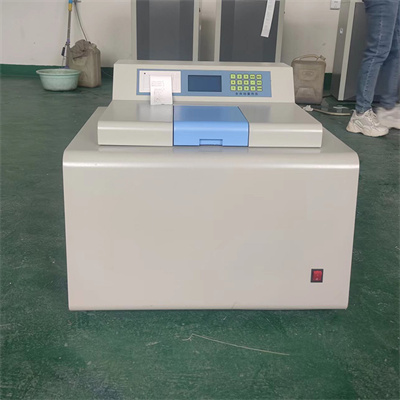 How to read calorimeter data
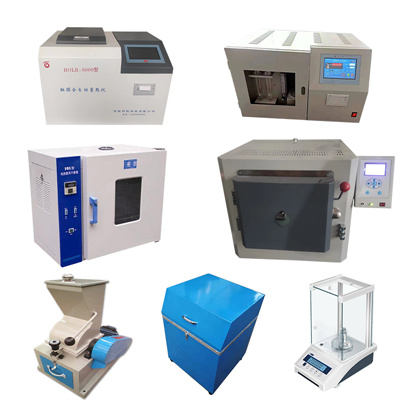 What is the design principle of a calorimeter?
 What is the harm of lack of water in the calorimeter?
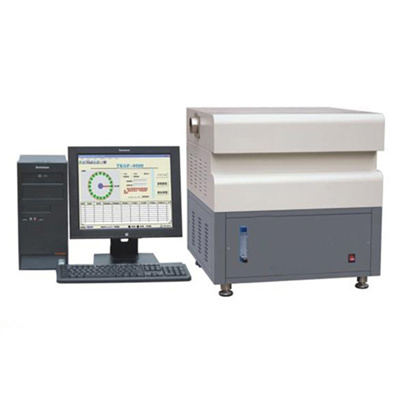 What is the input interface of the calorimeter?