What is the normal temperature of the calorimeter?
The core standard for the normal temperature range of a calorimeter
As a key instrument for accurately measuring heat, the temperature control of a calorimeter is directly related to the accuracy of the test results. Generally speaking, the normal operating temperature of a calorimeter needs to be stable between 18 ° C and 25 ° C, which is the optimal range that has been verified by a lot of practice. This temperature range can minimize the impact of ambient temperature fluctuations on the internal thermostat system of the instrument, ensure the accuracy of heat measurement, and avoid data distortion due to temperature deviations.
Key factors affecting temperature stability
If the temperature of the calorimeter deviates from the normal range, it is closely related to the environmental conditions. The first is the violent fluctuation of the ambient temperature. If the temperature difference in the laboratory exceeds 5 ° C, the temperature control system of the instrument is difficult to maintain stability and is prone to temperature drift. Secondly, the temperature control components of the instrument itself, such as the heating module and temperature sensor, will also cause temperature abnormalities if they are aging or malfunctioning. In addition, the placement of the instrument should also be paid attention to, and it should be kept away from the trend of the air conditioner and the direct sunlight area to avoid external heat source interference.
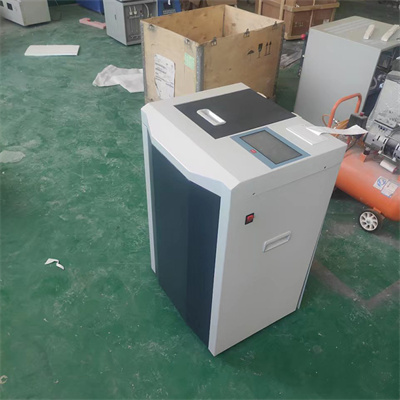
Coping with temperature anomalies
When it is found that the temperature of the calorimeter deviates from the normal range, it can be investigated and dealt with according to the following steps: First check the laboratory ambient temperature. If the temperature difference is too large, you need to turn on the constant temperature equipment to stabilize the environment. After the temperature returns to 18 ° C -25 ° C, start the instrument. If the ambient temperature is normal, you need to check the temperature control system of the instrument to see if there is any component failure. At this time, it is recommended to contact professional technicians for maintenance. Do not disassemble the instrument yourself. In daily use, it is also necessary to regularly calibrate the temperature of the instrument to ensure that the temperature control accuracy is always
Practical tips for ensuring temperature stability
In order to ensure the long-term stability of the temperature of the calorimeter, it is recommended to install a temperature and humidity meter in the laboratory to monitor the environmental conditions in real time. The instrument needs to be preheated for 15-30 minutes before use to allow the internal temperature control system to reach a stable state. When not in use for a long time, the power supply of the instrument needs to be turned off to avoid component loss affecting the temperature control performance. Following these specifications can effectively reduce the probability of temperature abnormalities, ensure that the calorimeter is always in the best working condition, and provide reliable data support for the detection work.
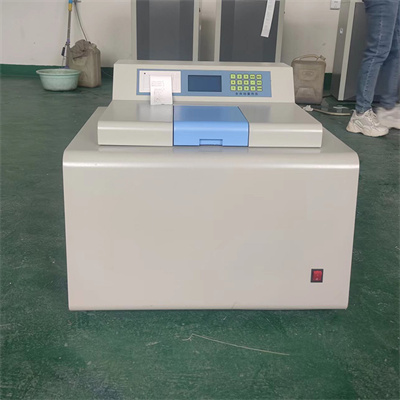 How to read calorimeter data
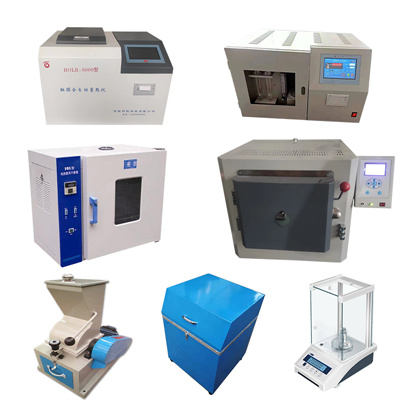 What is the design principle of a calorimeter?
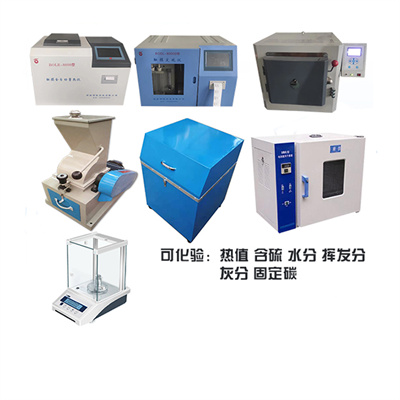 What is the harm of lack of water in the calorimeter?
 What is the input interface of the calorimeter?