How to heat the calorimeter at constant temperature
First, the core principle of calorimeter constant temperature heating
The core of the calorimeter to achieve constant temperature heating lies in the precise temperature control system. It monitors the temperature in the heating chamber in real time through the built-in high-precision temperature sensor and feeds the data back to the temperature control module. The temperature control module dynamically adjusts the heating power according to the preset temperature value to form a closed-loop control to ensure that the temperature is stable within the set range and provides a constant thermal environment for the experiment.
Second, the key preparation before constant temperature heating
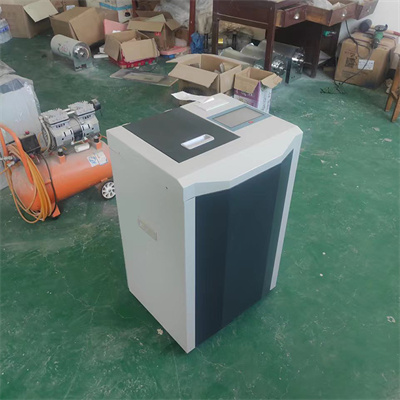
1. Equipment inspection: Before use, be sure to check whether the power connection and heating components of the calorimeter are normal, check whether the temperature sensor is damaged, and ensure that the equipment is in good working condition.
2. Environmental adaptation: Place the calorimeter on a stable, well-ventilated countertop, away from heat sources and strong electromagnetic interference areas, to avoid environmental factors interfering with the constant temperature effect.
3. Parameter setting: According to the experimental requirements, accurately set the target temperature, heating rate and other parameters on the operation panel, which is the foundation for achieving accurate constant temperature.
Third, the specific operation steps of constant temperature heating
1. Sample placement: Put the sample to be tested into the sample compartment of the calorimeter to ensure that the placement position is standardized to avoid affecting heat transfer and temperature measurement due to position deviation.
2. Start heating: After confirming that the parameters are correct, start the heating program. At this point, the temperature control system starts to work, the heating components gradually heat up, and the temperature sensor monitors the temperature change in real time.
3. Temperature monitoring: During the heating process, closely observe the temperature value displayed on the operation panel until the temperature stabilizes at the set value and the fluctuation range meets the experimental requirements, indicating that the constant temperature heating is successful.
IV. Precautions for constant temperature heating
1. Avoid overloading: Do not exceed the sample carrying capacity of the calorimeter, otherwise it will affect the heating efficiency and temperature stability, or even damage the equipment.
2. Periodic calibration: Regularly calibrate the temperature sensor and temperature control system to ensure the accuracy of temperature measurement and control, and ensure the reliability of experimental results.
3. Timely cleaning: After the experiment, clean the sample compartment and heating parts in time to prevent residual substances from affecting the next constant temperature heating effect.
Mastering the constant temperature heating method of the calorimeter is the key to ensure the accurate development of the experiment. Strictly following the operation process and paying attention to details can make the calorimeter perform stably and provide strong support for the experimental work.
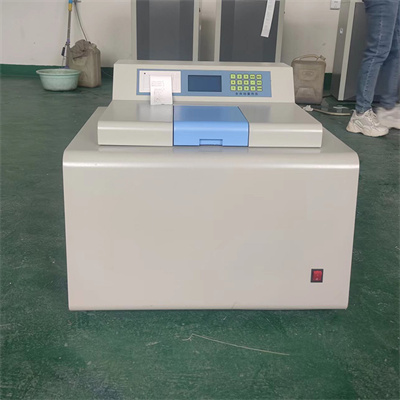 How to read calorimeter data
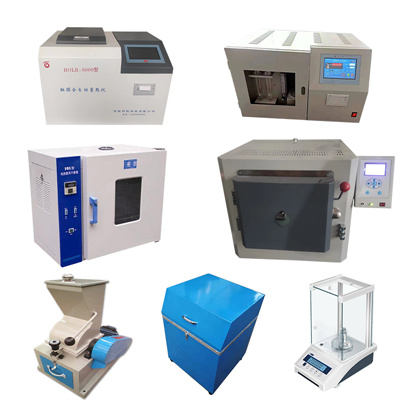 What is the design principle of a calorimeter?
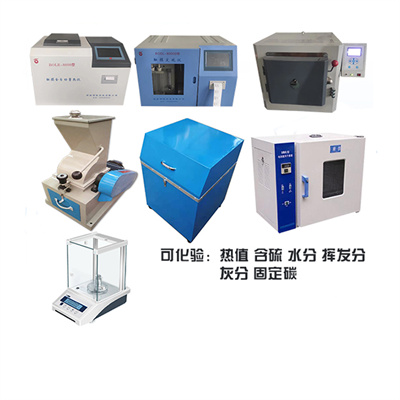 What is the harm of lack of water in the calorimeter?
 What is the input interface of the calorimeter?